

Creating the Conditions for Environmental Justice
Building capacity with vulnerable communities and Tribes for over 20 years.
We stay until our job is done.
Protecting, Building, Catalyzing
Through training, workshops, and mentorship, the Capacity Collaborative protects environments and builds capacity for Tribes and communities to catalyze the skills, resources, and funding necessary to realize their goals.
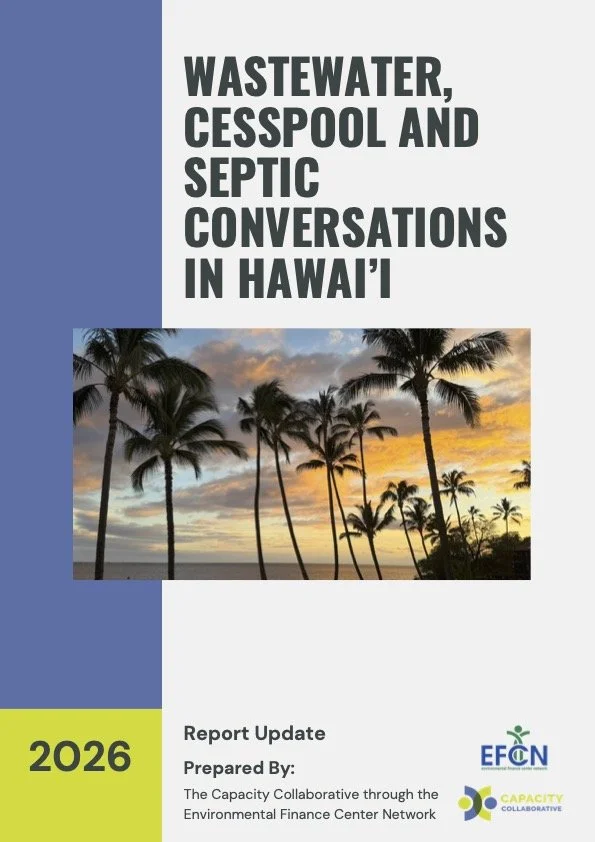
Incorporating our recent work on Moloka’i, The Capacity Collaborative, in partnership with community stakeholders, has released an update on the Wastewater, Cesspool, and Septic Conversations Report in Hawaiʻi. Stay tuned for future updates as we continue to work with other communities across the Islands.
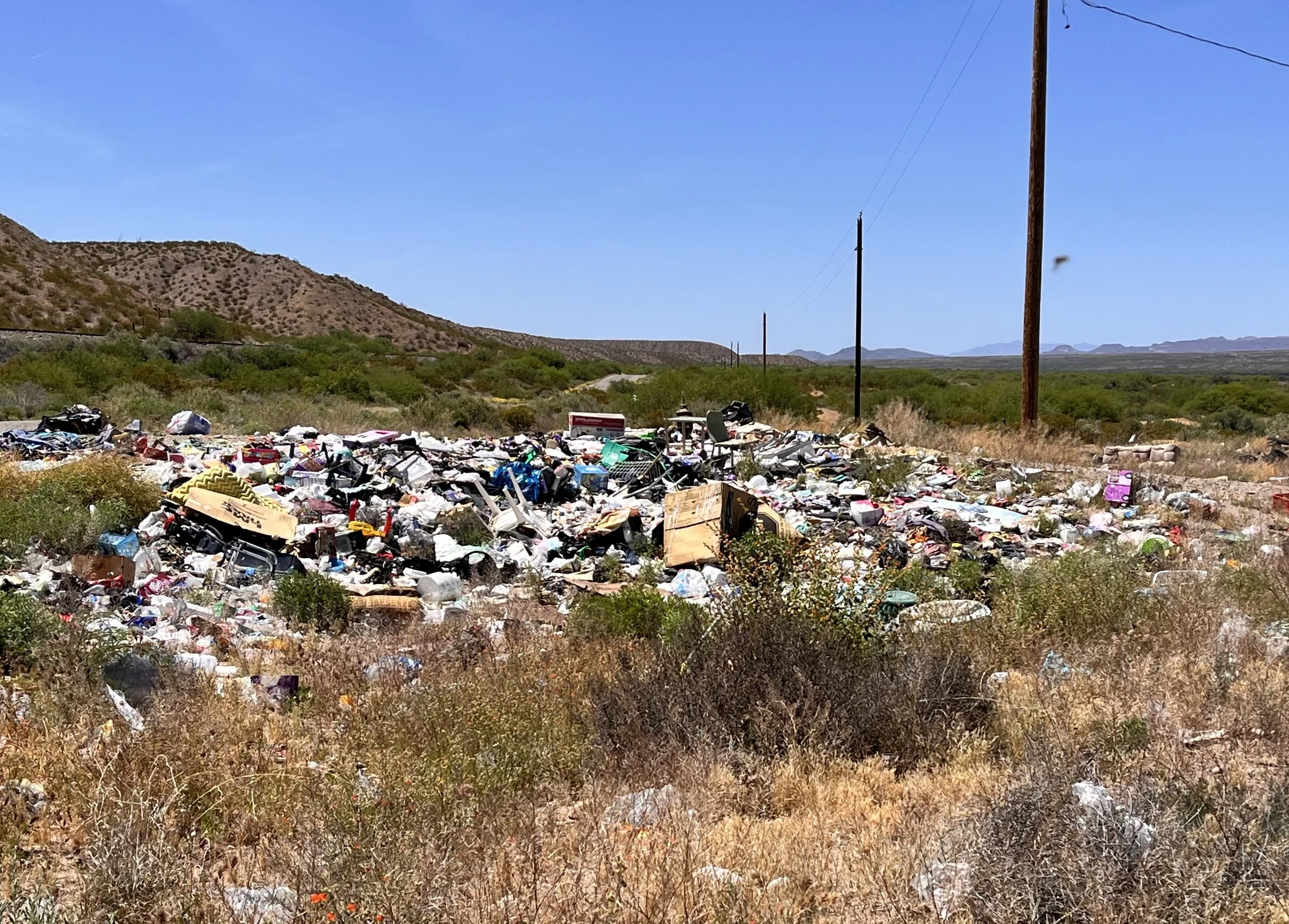
Getting Grant Ready: Workshop Series for Tribal Solid Waste Managers
Watch this series of videos from our funding webinar series to help Tribal Solid Waste and Environmental Managers and Staff fund their projects.
What Waste Really Costs
Full Cost Accounting for Tribal Solid Waste Management
Download our latest report to better understand Full Cost Accounting. To access the Excel worksheets that accompany the guide, send an email to: Elaine McCarty at elainem@capcollab.org
Our Current Projects
-

PFAS Testing Guide for Tribes
With a Solid Waste Management Grant from USDA, TCC has developed a new guide - PFAS Drinking Water Testing: A Guide for Tribal Water Systems. Click on the link below to download the guide and learn more about this forever chemical and how to safeguard your drinking water. Download it!
-
YES4EJ
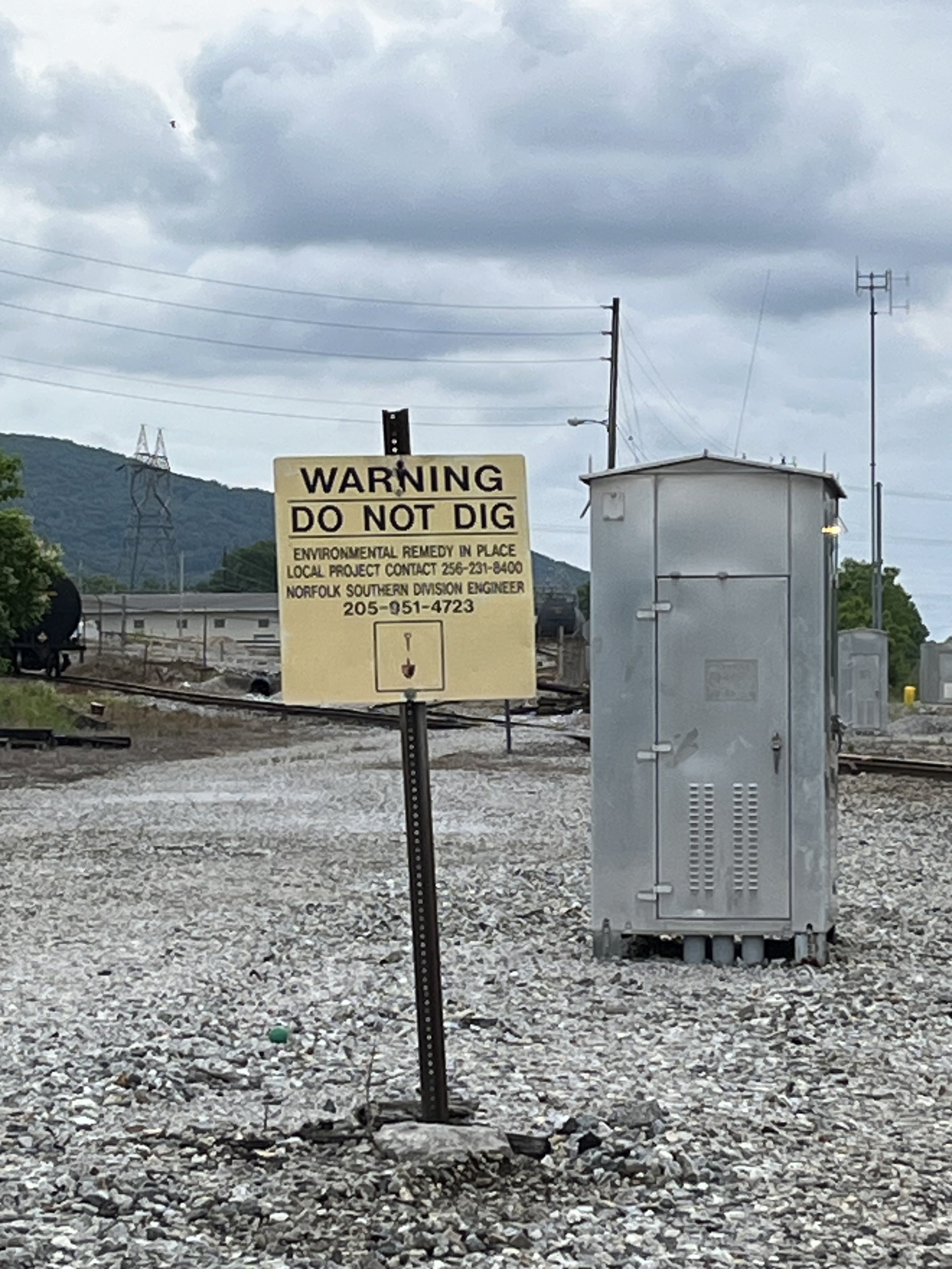
The West Anniston Youth Empowerment Strategies for Environmental Justice (YES4EJ) Project will prepare the community for a sustainable, resilient future through a sequence of integrated activities designed to empower local, young adults with knowledge and skills to engage decision makers in effecting better outcomes for community health and prosperity.
-

Hoopa Valley Tribe
The CC is working with the Hoopa Valley Tribe to develop their climate adaptation plan. Local Tribal knowledge is critical to the vulnerability analysis as is an understanding of climate impacts on traditional practices, foods and resources.
-
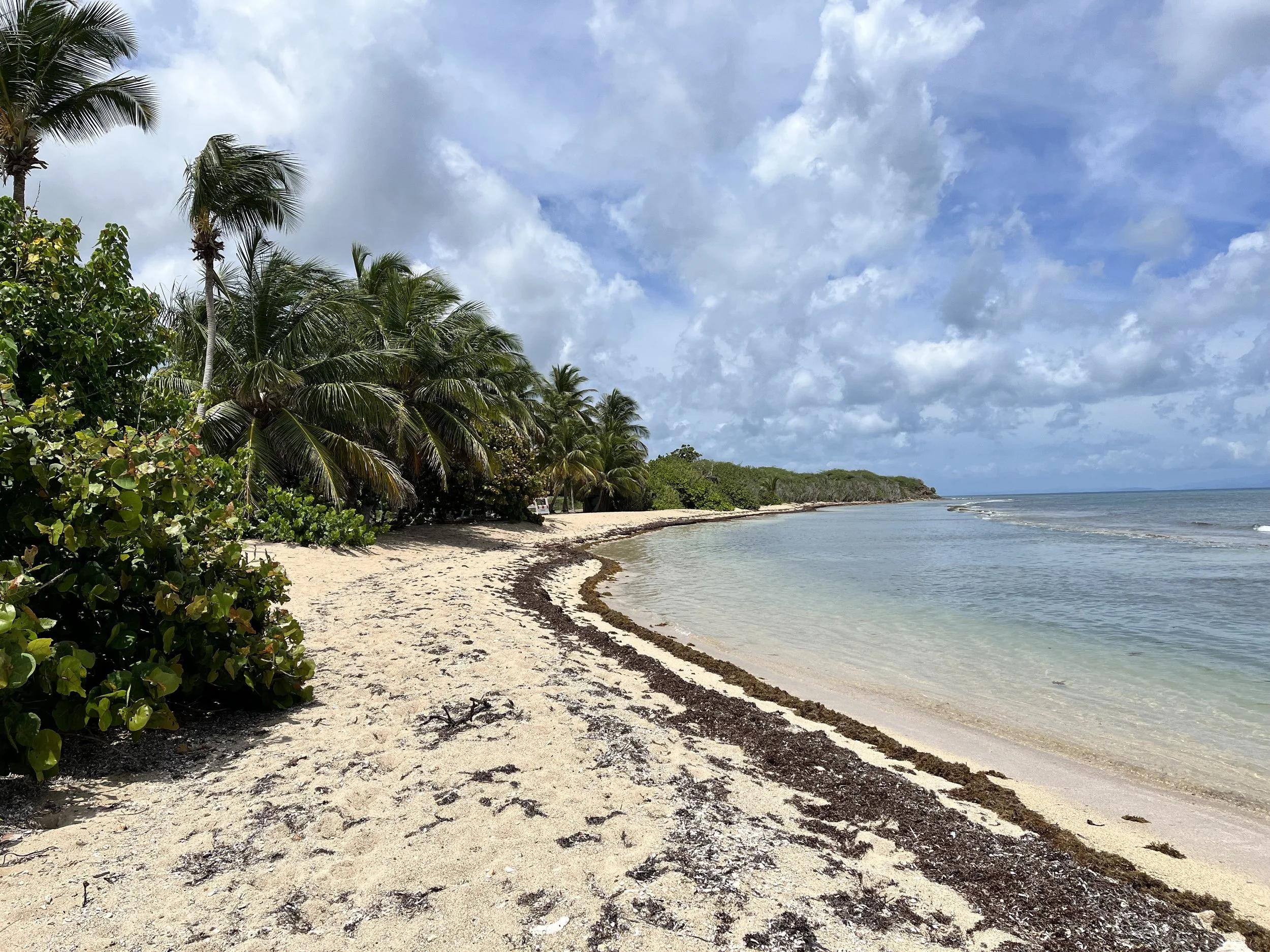
Puerto Rico
We are providing technical assistance to the island community of Vieques in Puerto Rico to help local elected leaders and municipality staff better understand their needs and address numerous solid waste issues associated with their landfill.
-

San Carlos Apache
With almost 2 million acres on their reservation, managing their vast environment is a challenge. In 2026, The CC is working with the San Carlos Apache Nation to identify community needs, explore better communication and develop a Tribal Environmental Plan that links to the strategic plan we helped them create in 2025.
-

Thriving Earth Exchange
The CC is a parter with the American Geophysical Union’s Thriving Earth Exchange program to bring community science to pressing environmental problems.
-
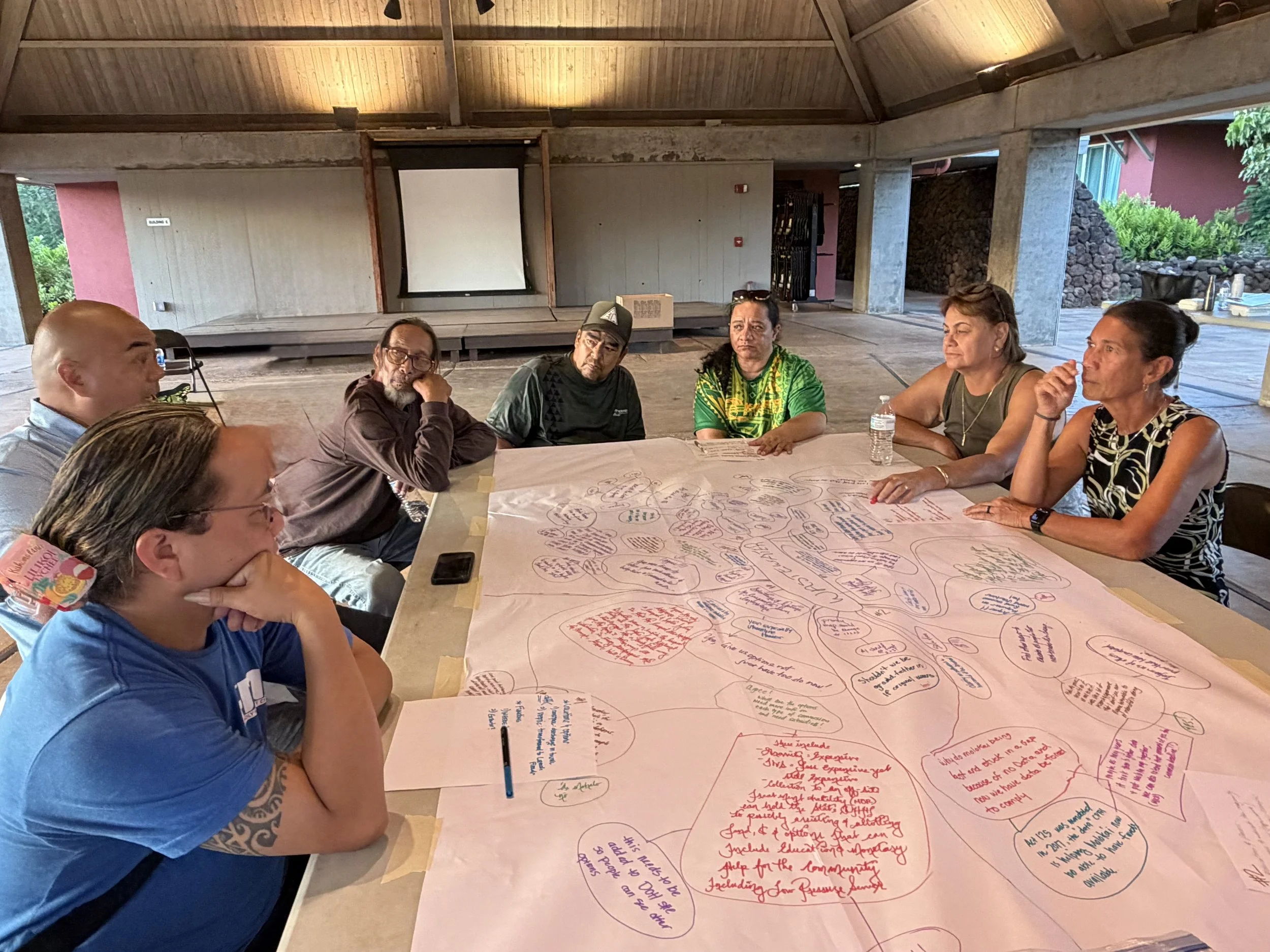
Hawaii Cesspool Conversion
How will Hawaii convert almost 90,000 cesspools to sewer or septic when many of the homeowners are living below the poverty line? The CC is working with community members and the Department of Health to explore this issue through our community outreach training and tools. Read and download our most recent report here.
-
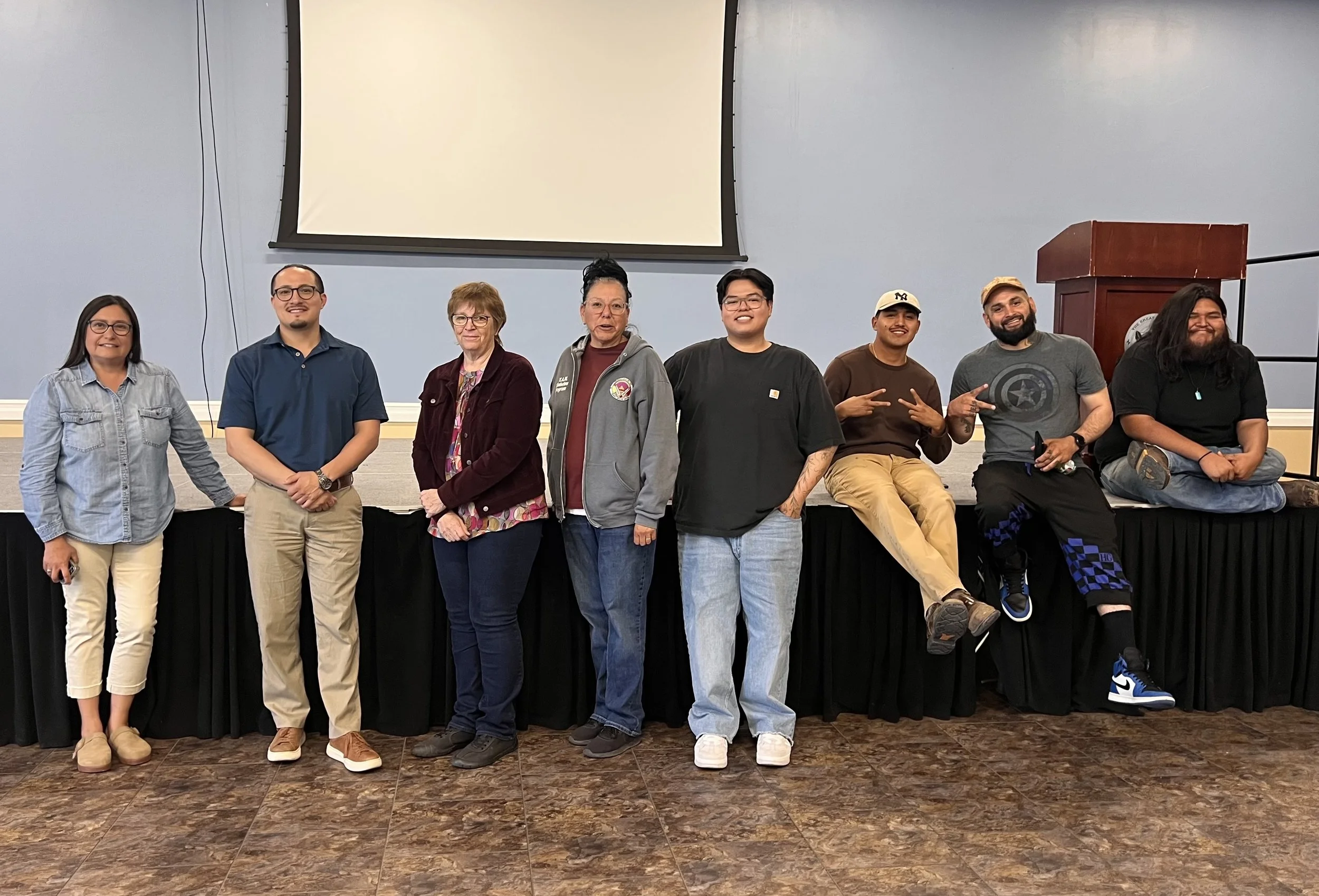
Southwest Tribal Sustainability
Through a USDA grant, we are working with multiple Tribes, including Yavapai Apache, Soboba Tribe of Luiseño Indians, La Jolla Tribe of Luiseño Indians, and Hopi to help them address 1) waste management issues, 2) communications challenges and 3) climate resilience.
-
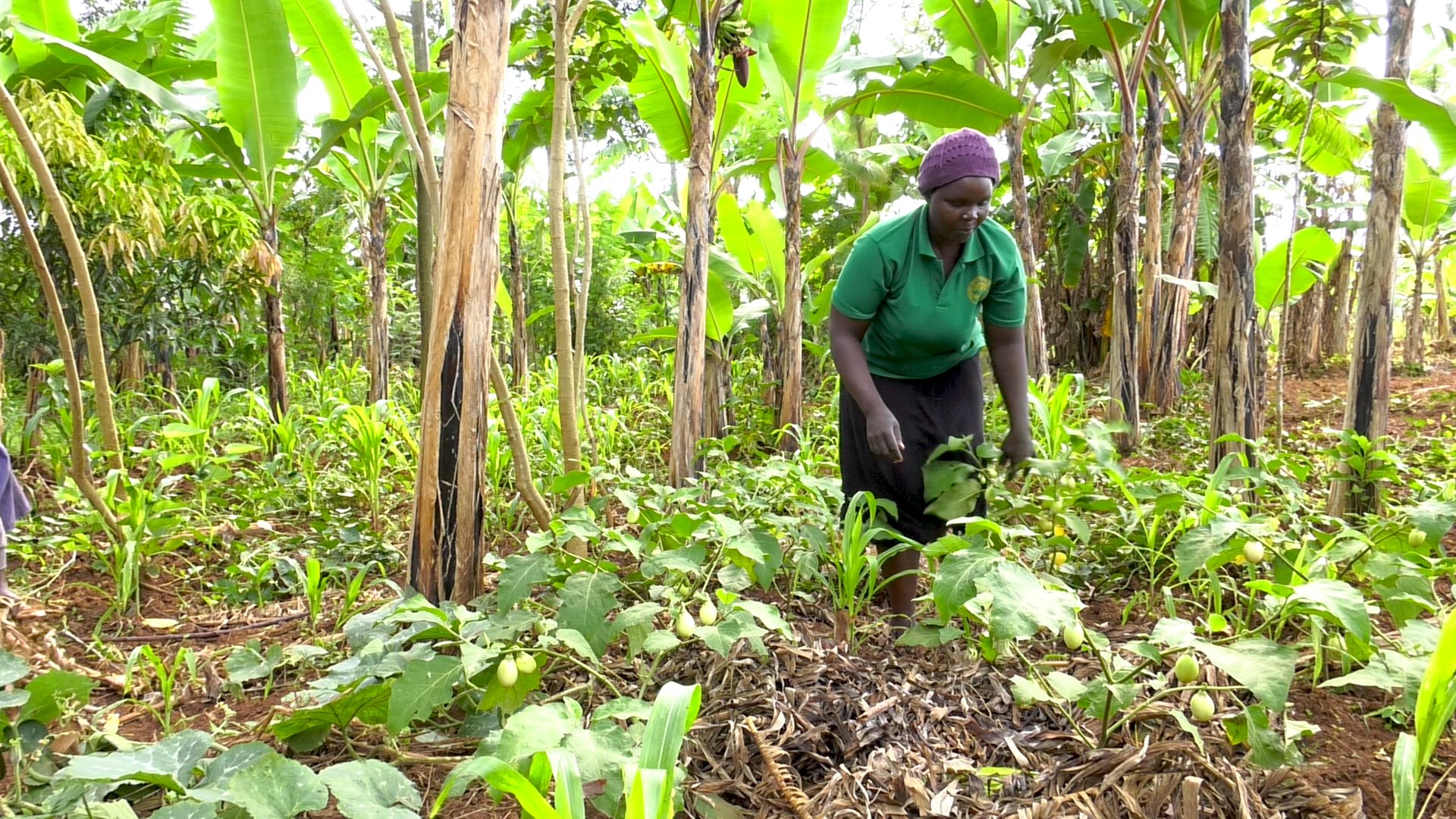
East Africa
The CC helped create Women’s Climate Centers International to support climate smart agriculture, economic development and drought resistance for rural East African women. We continue to serve as the US backbone for this organization.
-
Nooksack Tribe Communications Support
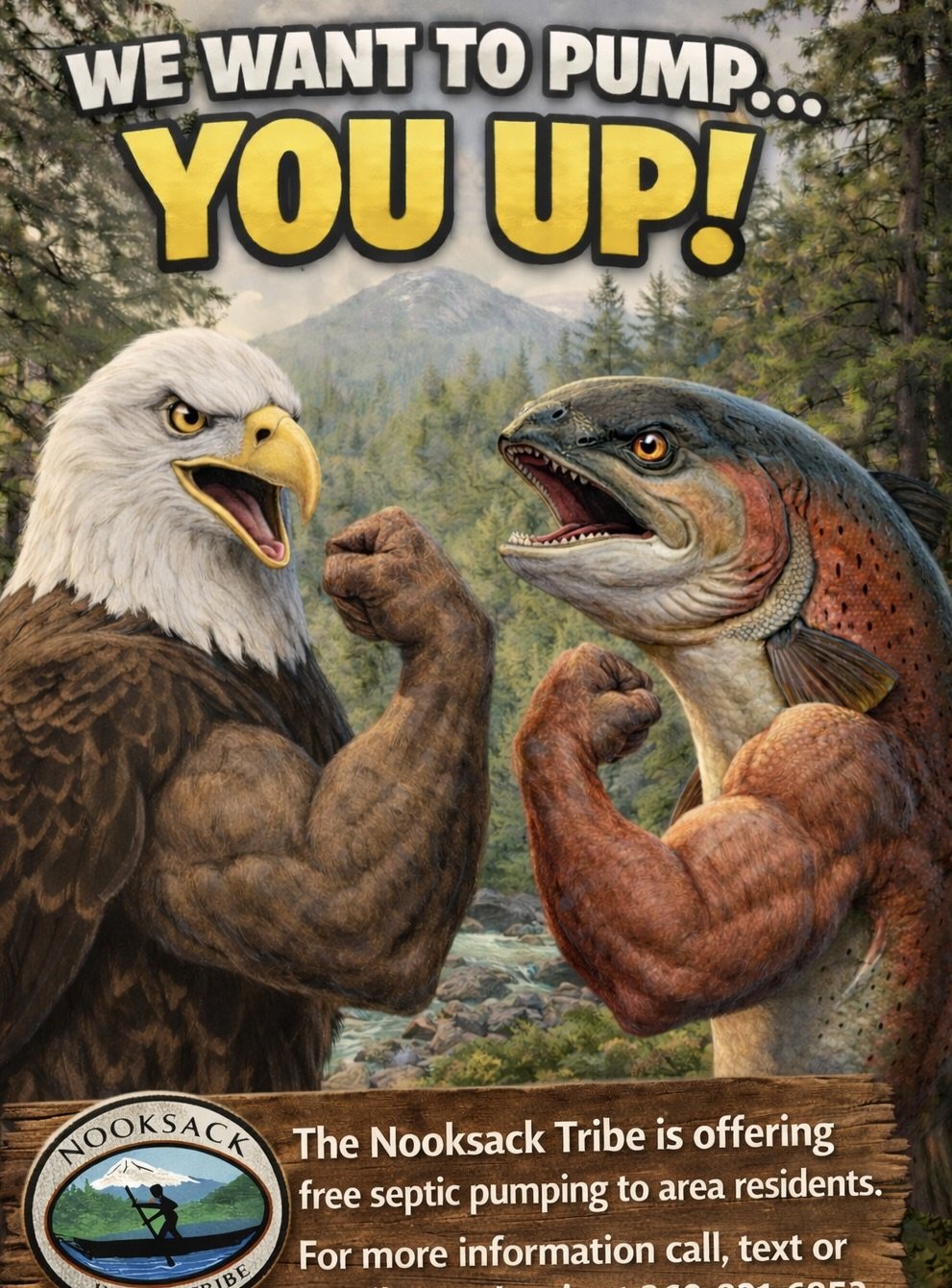
The Nooksack Tribe in Washington State is trying to anticipate wastewater challenges due to climate change. Part of that effort is education and communications around septic maintenance and pumping. The CC is helping the Tribe develop outreach materials focused on wildlife that is sacred to the community.
-
Newbern, AL Utility and City Council Support
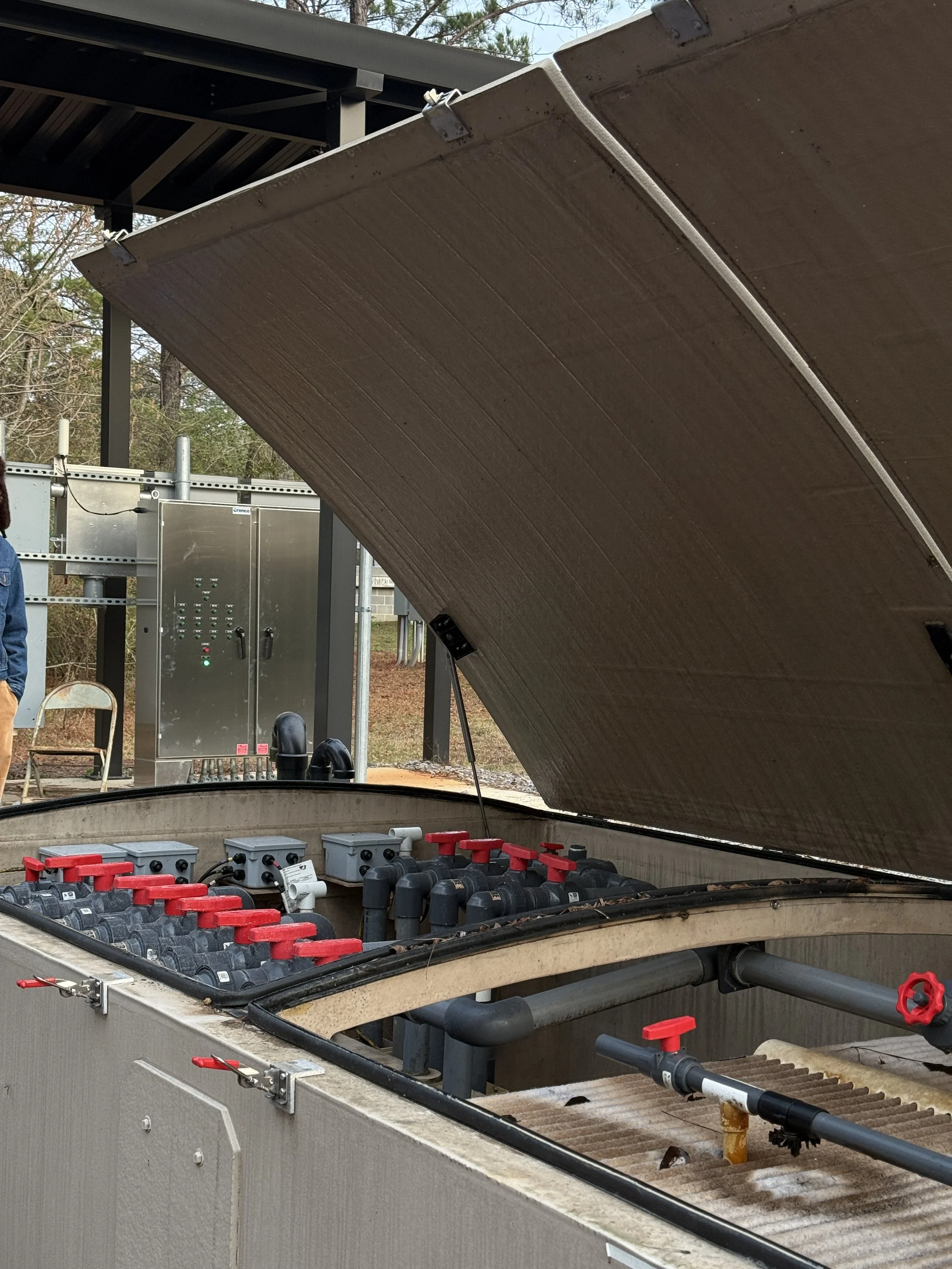
Newbern is in the process of developing a new wastewater utility that will replace existing at home treatment systems including old septic and straight pipes. At the same time they have a new city council. The CC is helping both entities through leadership, communications and managerial and financial training.
-
West Anniston Foundation Strategic Plan
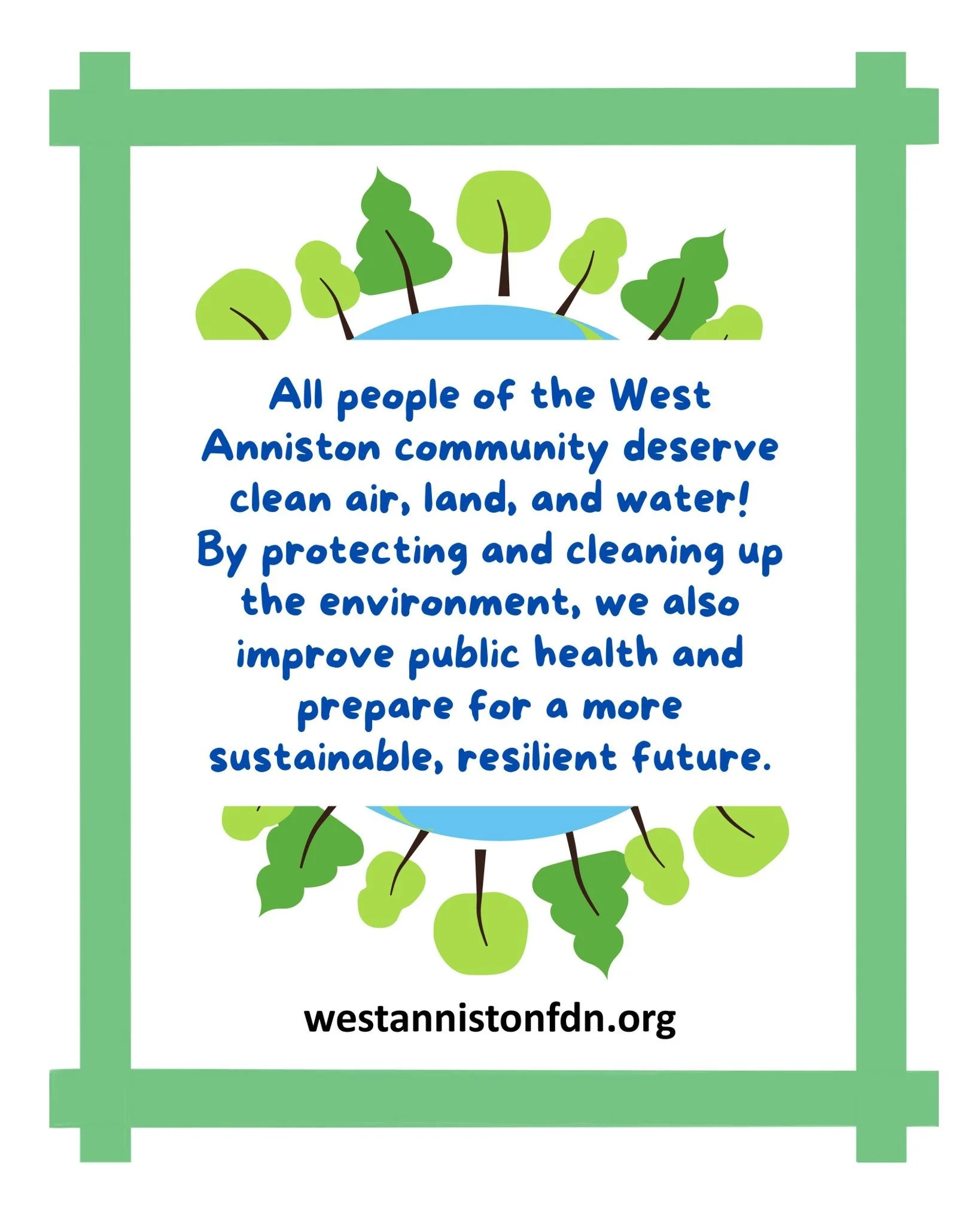
The West Anniston Foundation (WAF) was formed in 2001 as a result of a legal class action regarding PCB contamination found mainly within the West Anniston Community. In 2026 they are focused on healthy homes and community training. The CC is working with WAF on their strategic plan so they can continue fighting the good fight well into the future.